


Many businesses believe that if a website looks modern, customers will naturally trust it and make contact. In reality, most websites fail because they don't guide visitors toward taking action. Great design supports conversion—but strategy creates it.
Clarity Beats Creativity
Visitors decide within seconds whether your business is relevant to them. If your headline is vague, filled with buzzwords or focuses on your company instead of the user's problem, you've already lost attention.
Instead of saying "Innovative Digital Experiences", explain exactly what you do and the value customers receive.
Guide Users, Don't Distract Them
Every section of your website should naturally lead visitors to the next step. Too many buttons, competing messages and unnecessary animations create friction instead of confidence.
Good design isn't about making users think— it's about helping them decide.
Design Without Strategy Is Decoration
Beautiful interfaces don't guarantee business growth. Effective websites combine persuasive copywriting, meaningful calls-to-action, trust signals and user-centered design to encourage conversions.
Trust Is Built Before Contact
Before filling out a contact form, visitors look for evidence that your business is credible. Testimonials, portfolio projects, case studies and client logos all reduce uncertainty.
Performance Matters More Than Ever
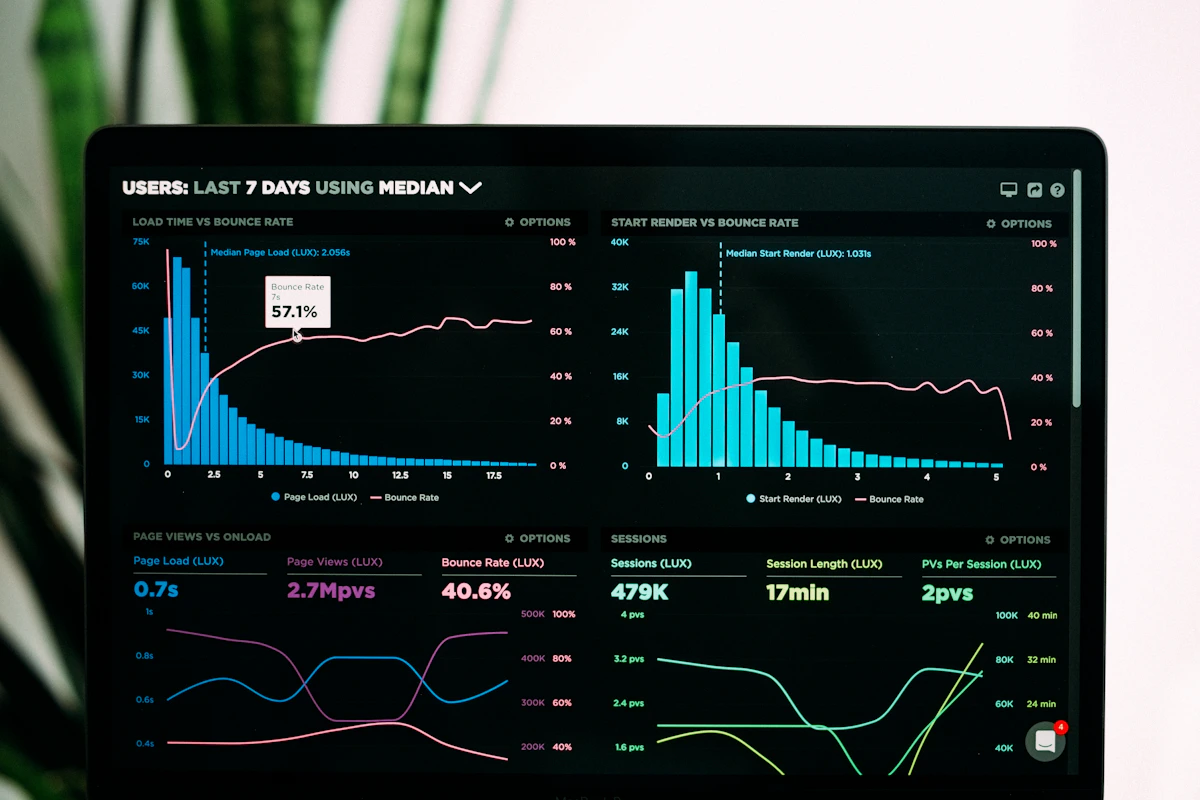
Slow-loading websites frustrate users and reduce search visibility. Optimized images, accessible layouts and fast loading times contribute directly to better engagement and improved conversions.
Measure, Learn and Improve
Launching your website is only the beginning. Analytics, heatmaps and A/B testing reveal where visitors struggle, allowing continuous improvements based on real behavior.
Final Thoughts
Great websites aren't measured by awards or animations. They're measured by how effectively they help real people accomplish real goals. Focus on clarity, trust and user experience first—the visual design should reinforce that strategy, not replace it.